
Do Cats Eat Less in the Summer
29th Jun 2026
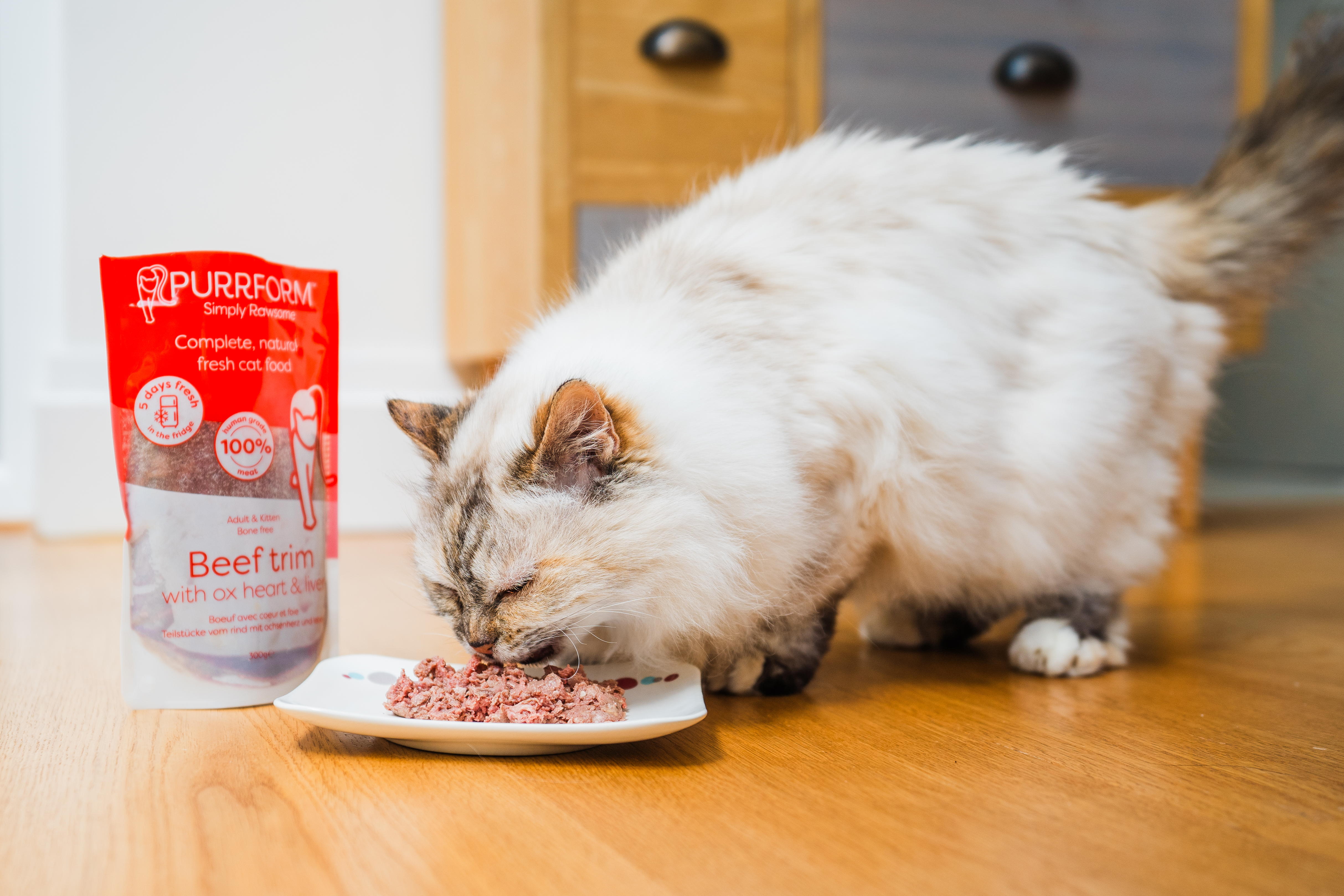
Have you noticed that when the weather gets warmer, your cat starts acting differently? The one thing in particular you may start asking yourself is do cats eat less in the summer. This isn’t an unfounded fear, as diet is one of the key concerns of all cat owners.
A sudden change in appetite can sometimes be a sign that something is wrong, so it’s natural to pay close attention to how much your cat is eating throughout the year. But when should you start to worry and think about booking a trip to the vets?
Why Do Cats Eat Less in the Summer?
The good news is that it’s perfectly normal for many cats to eat a little less during the warmer months. Just as humans often prefer lighter meals when temperatures rise, cats can experience a natural reduction in appetite as their bodies adapt to the season. In fact, a study conducted in the south of France on 38 domesticated cats found that during the summer months, the average food intake was reduced by around 15%.
Cats generally require fewer calories in warm weather than they do during colder months. During winter, their bodies use more energy to maintain their temperature, while in summer they don't need to work as hard to stay warm.
Hot weather can also make cats less active during the day. Rather than running around and burning energy, many cats choose to rest and conserve energy until temperatures become more comfortable. As a result, they may not feel the need to eat quite as much.
You may also notice your cat changing their eating habits rather than simply eating less overall. Some cats prefer to eat smaller meals throughout the day or wait until the cooler morning and evening hours before approaching their food bowl.
While a slight reduction in appetite is usually nothing to worry about, it's important to make sure your cat continues eating regularly and stays well hydrated.
Will My Cat Lose Weight in Summer?
Despite your cat eating less when the weather warms up, it’s actually surprisingly unlikely that they’ll end up losing a dangerous amount of weight.
A slight fluctuation in weight throughout the year can be normal, particularly for cats that spend time outdoors and naturally adjust their activity levels with the seasons. However, healthy cats should generally maintain a stable body condition even if their appetite decreases slightly.
It's a good idea to keep an eye on your cat's weight and body shape during summer. If you notice visible ribs, a pronounced spine, significant weight loss, or a continued lack of appetite, this could indicate an underlying health issue rather than a seasonal change.
If your cat refuses food for more than 24 hours, or if their reduced appetite is accompanied by symptoms such as vomiting, diarrhoea, lethargy, or behavioural changes, you should contact your vet for advice.
Should I Feed My Cat Less in Summer?
In most cases, there’s no need to intentionally reduce your cat’s food simply because the weather has become warmer.
Instead, continue offering their normal portion sizes and allow them to regulate their intake naturally. Most cats are very good at eating according to their energy requirements, particularly when fed a high-quality, balanced diet.
What can be helpful is adapting feeding times to suit the weather. Offering meals during the cooler parts of the day, such as early morning and late evening, may encourage your cat to eat more comfortably. Fresh food should also be removed if left out for extended periods, as warmer temperatures can cause it to spoil more quickly.
Hydration becomes especially important during summer. Always ensure your cat has access to fresh, clean water, and consider placing multiple water bowls around your home. Feeding moisture-rich food can also help support healthy hydration levels when temperatures rise.
When Should I Be Concerned About My Cat's Appetite?
It’s normal for your cats to not eat as much during the summer, but there’s a huge difference between eating less and not getting enough food. There are definite signs that you might need to take a trip to the vet
- If they stop eating completely
- Eat significantly less for several days in a row
- Noticeably losing weight, such as their ribs and bones becoming more visible
- Lethargy
- Signs of dehydration
- Vomiting
- Diarrhoea
Cats can develop serious illnesses if they go without food for too long, such as pancreatitis and fatty liver disease, so it’s always advisable to see your vet if you’re concerned about the patterns you’re noticing.
Feeding Your Cats The Right Food
The important thing with your cat’s diet over the summer is to ensure that they’re eating the right things when they are hungry. Yes, many cats do eat less in the summer, and in most cases this is a completely normal response to warmer weather.
The key is to monitor your cat's overall wellbeing rather than focusing solely on how much food is left in the bowl. As long as they're maintaining a healthy weight, drinking enough water, and behaving normally, a small drop in appetite is usually nothing to worry about.
You can kill two birds with one stone with raw cat food, as the water content is much higher than regular cat food, meaning they can get their good calories in while also staying hydrated. We also offer food for senior cats and kittens, so no matter their age, they can stay well fed and watered through raw feeding.