Best Cat Food for Senior Cats
28th May 2026
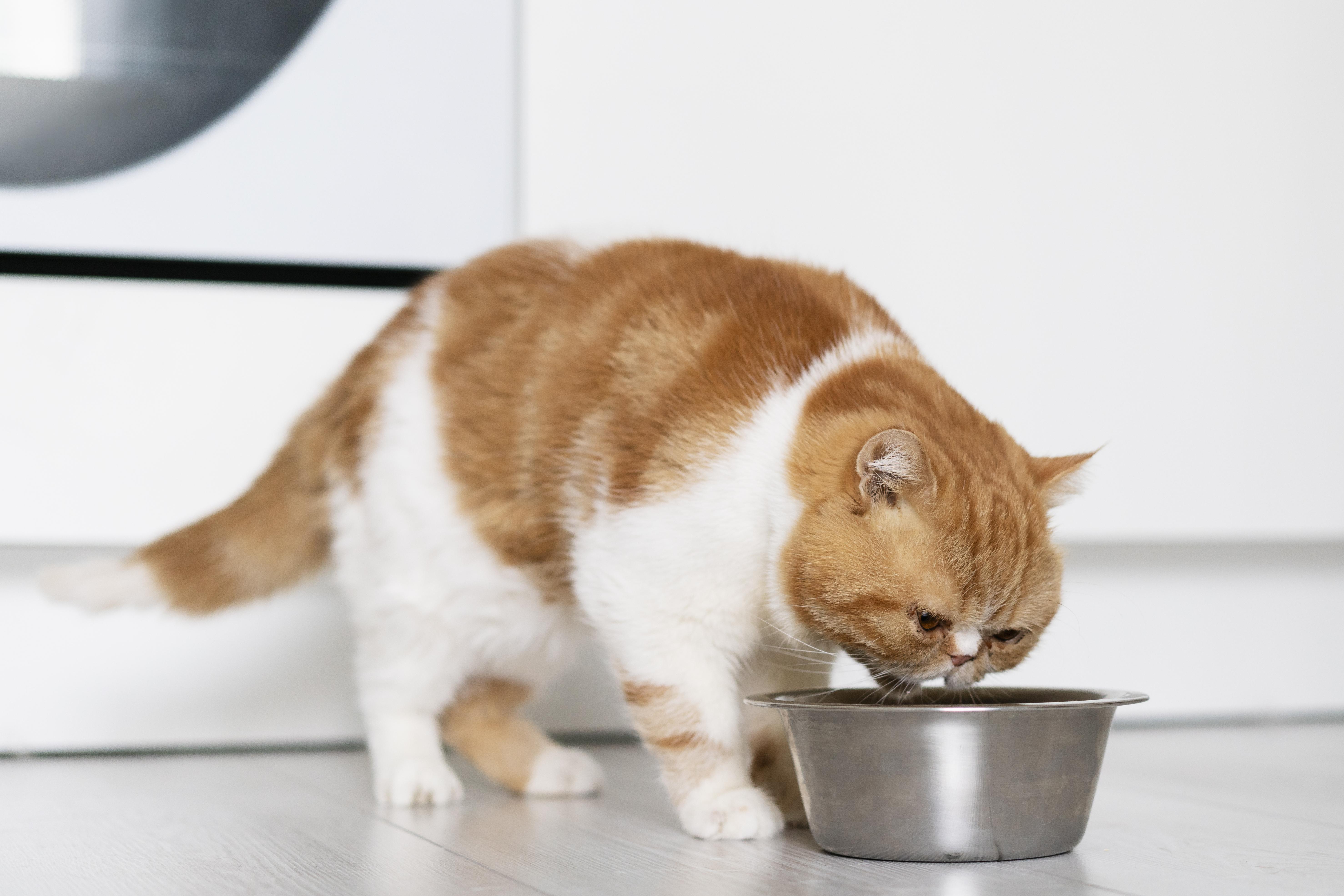
As your cat gets older, making sure they’re getting the right nutrition may lead you to wonder what the best cat food for senior cats is. Especially if you notice changes in their approach to feeding.
This can be anything from eating less to losing weight in spite of eating, which is why it’s so important to be aware that senior cats need a shift in diet to stay healthy as they enter their later years.
We’ve created this guide to help you better understand not just what you should be feeding your senior cats, but why they need these considerations to be made for their health.
What is the Best Cat Food for Senior Cats?
Venison Trim with Turkey Breast, Heart and Liver
If your senior cat needs a slightly higher calorie and more energy-dense meal, this raw senior cat food is broken down into 60% Venison trim with ground bone, 20% Turkey breast, 10% Turkey heart, 10% Turkey liver. The blend of red meat and poultry is perfect for both protein and fat intake.
Farmed Rabbit with Ground Bone & Ox Heart
High in lean protein and low in fat, the Farmed Rabbit with Ground Bone & Ox Heart is the ideal novel protein for cats that stays close to their obligate carnivore nature. It's especially good for cats that might have a sensitivity to chicken or beef.
Chicken with Ground Bone with Chicken Liver & Heart
For the more sensitive senior stomachs, this raw cat food provides the gentle flavour of chicken blended with ground bone, liver, and heart. This features a high moisture content of 73.1%, complementing a high protein percentage of 17.9%.
Chicken Breast with Heart
The Chicken Breast with Heart serves as an ideal complement to other raw foods to increase their moisture and protein content. The ingredients list is simply ground chicken breast and heart, so you can assure you’re feeding your senior cat good, natural food.
Turkey Breast with Heart & Gizzard
80% Minced turkey Breast, 10% Heart, 10% Gizzard. Turkey is extremely lean and easily digestible, so if your cat has a more sensitive stomach but is more averse to the flavour of chicken, this is the perfect option.
Lamb Trim with Heart
You may not expect lamb to be a good alternative meat for cats, but this trim with heart is a great complement that adds good proteins and fats, while also including important nutrients like zinc, iron, and amino acids.
Beef Trim with Heart
Another red meat offering, the Beef Trim with Heart adds more calories and energy to a meal. If your ageing cat isn’t a huge fan of the taste of poultry, especially if they’re a bigger cat that requires more calories, this is a great way to add to their food.
Raw Senior Cat Treats
You may find that as your cat gets older, they tend to become more attuned to grazing rather than eating a full meal in one. This is where treats come in handy to help make sure they’re getting the right amount of calories. We have a range of cat treats made with 100% raw meat, perfect for feeding throughout the day.
Raw Senior Cat Food Chunks
Ideal for bulking out and complementing meals or simply for smaller meals throughout the day, our range of raw cat food chunks offers a wide range of meats from poultry, game, and red meats to suit your senior cat’s taste.
Is Raw Cat Food Best for Senior Cats?
Raw diets are ideally suited to senior cats, as the high quality protein and nutrients in raw meats match exactly what senior cats require to lead a happy, healthy life. Many senior cat owners find that as their pets get older, raw food diets tick the boxes for their nutritional requirements due to the high protein and good fat content.
The Senior Cat Food Range that we offer has been specifically formulated for cats of 11 years old and above to maintain lean body mass. It includes added joint care ingredients, DHA for their cognition, and yeast as a source of prebiotics alongside the high protein.
There’s plenty of flavour options to choose from, and they contain premium cuts of human grade meat, minced with bone and offal. The fine texture contains slightly smaller bone pieces than our standard adult raw food, perfect for anyone seeking vet recommended senior cat food.
When is a Cat Considered a Senior?
It’s widely accepted by most experts that around 11 years old is the beginning of seniority for cats. However, there isn’t a specific age where your cat is considered to be definitively a senior, particularly with different species of cat having different lifespans, but with lifespans ranging from 13 to 17 all the way to 18 to 25, it’s safe to say 11 years old is the start of being a senior cat. When they peak over 15 years old, they are then labelled ‘geriatric’.
Why Does my Senior Cat Need Different Food?
As cats age, like humans, their nutritional needs are incredibly different to when they’re kittens or even adults. This is due to the fact that as their body gets older, their organs’ ability to process nutrients slows, as does their digestion.
One of the key dietary elements they need more of is good quality proteins and fats. Fats in particular get more difficult to digest for senior cats, meaning they don’t get calories as easily as when they’re younger which can lead to them losing weight.
Combine this with their weight and muscle mass needing additional protein to be maintained, upping their intake of both is crucial to their diet. Similarly, an increased amount of omega 3 fatty acids can help keep your senior cats joints, fur, and skin healthy and in good condition, as well as increasing vitamin and mineral intake to keep their brains healthy and functioning.
Why is My Senior Cat Not Eating?
It’s perfectly normal for your cat’s appetite to change and eat less as time goes on, due to their digestion slowing. In fact, a study found that housebound cats’ diets adjust to grazing by as young as 7+ years old, eating 6 or 7 small meals a day.
However, there are other factors that could contribute to a reduced appetite:
- Kidney disease: kidney disease in senior cats is incredibly common, and is usually associated with a lack of appetite. If you notice your senior cat drinking more water and losing significant weight, consult with your vet immediately.
- Dental or gum issues: when a cat develops dental or gum issues, the pain stops them from wanting to eat. Check for bad breath or red and inflamed gums.
- Cat flu: if your cat is experiencing a significant flu, it can greatly affect their appetite, making them not want to eat.
- Stress: has there been a lot of change in your home recently? Maybe a move or a significant adjustment to your life or schedule? Cats are creatures of habit, and stress can massively impact their will to eat.
- Change of diet: changing your cat’s food without allowing for a proper transition can put your cat off eating.
How to Transition Your Senior Cat onto Raw Cat Food
If you’re thinking of transitioning your senior cat onto raw food, the best way to do so is allowing for a gradual change over a week or so, usually 8 to 10 days. Mixing their existing food with the new raw cat food can encourage them to engage and eat the new food, especially with older cats being resistant to change. For raw cat food, serving it at room temperature, rather than straight from the fridge, can also make your senior cat more willing to eat it, and we have a full transition to raw food guide you can follow along with.
If you’re considering moving your cat onto a raw food diet, the 450g tubs we offer are complete foods, so they provide all the protein, nutrients, minerals, and amino acids, including taurine, that your senior cat needs on a daily basis. Browse our range and order today.
FAQs About Feeding Senior Cats
Is raw food good for senior cats?
Raw food can be suitable for senior cats when it is properly formulated as a complete and balanced diet. Purrform's Senior range is specifically formulated for cats aged 11 years and above.
Should senior cats eat more protein?
Protein is important for helping cats maintain lean muscle mass as they age. However, the ideal amount depends on the individual cat, so it's important to choose a complete food formulated to meet their nutritional requirements.
Should senior cats have less phosphorus?
Phosphorus is an important consideration for older cats, particularly because kidney disease is more common as cats age. However, cats with diagnosed kidney disease may require a specific veterinary diet, so speak to your vet before making changes to their food.
Choosing the Right Food for Your Senior Cat
Choosing the best cat food for your senior cat isn't simply about finding a food labelled "senior". Their nutritional needs can change as they age, making factors such as protein, calorie intake, hydration, palatability and overall nutritional balance increasingly important.
It's also important to consider your individual cat. Changes in appetite, weight, dental health or behaviour shouldn't automatically be attributed to old age, particularly if they appear suddenly.
If you're looking for a complete raw food formulated specifically for senior cats aged 11 and above, take a look at the Purrform Senior Cat Food Range and find the option that's right for your cat.