
Feline Gastrointestinal Eosinophilic Sclerosing Fibroplasia
Posted by Vicki Adams. Trained Veterinarian and Veterinary Epidemiology Consultant; Animal Cancer Trust Charity on 22nd Jun 2026
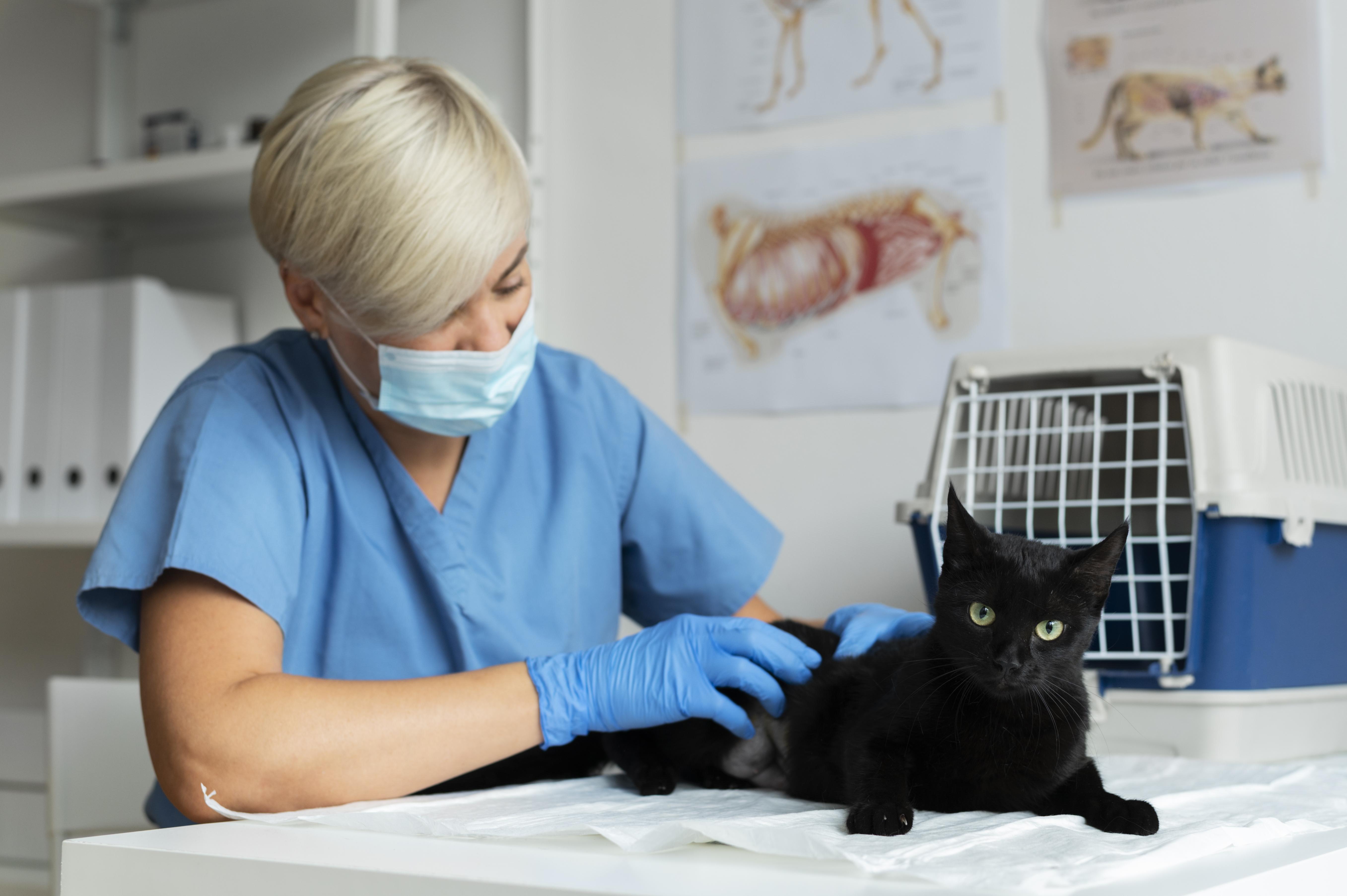
Feline Gastrointestinal Eosinophilic Sclerosing Fibroplasia (FGESF) is a rare, severe inflammatory disease in cats that causes firm tissue masses, typically in the stomach or intestines.
It causes chronic vomiting, weight loss, and anorexia. While often mistaken for cancer, it can be treated with immunosuppressants like prednisolone, with many cats showing significant improvement.
|
Key facts about FGESF include:
|
Since the first case was reported in 2009, we have learned much about this complex disease. However, there are still many unanswered questions about this disease despite it being reported in cats across six of the seven continents. Since FGESF is still a young diagnosis, more research is needed to understand this condition better and help with timely and accurate diagnosis, better further treatment options and long-term outcomes. Understanding this condition better can potentially help us diagnose, treat, and possibly even prevent it, in the future.
This rare inflammatory condition that primarily affects domestic cats, results in the development of mass lesions consisting of eosinophils (a type of white blood cell) and fibrous tissue that has a particular structural pattern. The eosinophilic inflammation that is characteristic of FGESF causes tissue damage, leading to a cycle of inflammation, abnormal tissue growth, and scarring. These lesions occur primarily in the stomach and intestines. However, recent reports suggest that this condition can also be found in non-gastrointestinal organs. The location of the lesions is reflected in the clinical signs seen with gastrointestinal involvement, commonly causing vomiting, diarrhoea, loss of appetite, and weight loss.
Although it can affect cats of various ages, FGESF is most common in mature cats. More cases have been reported in certain breeds such as Ragdolls, Birmans, Siberian/Norwegian Forest cats and Exotic breeds. Similar cases have also been reported in other feline species such as lions and mountain lions (cougars or pumas).
Causes of FGESF
It is believed that an overactive immune response plays a significant role in this condition although the exact causes of FGESF are not fully understood. The abnormal immune reaction can then lead to the formation of masses/lesions consisting of eosinophils (a type of white blood cell) and fibrous tissue, in a particular pattern, primarily in the stomach and intestines. In spite of the publication of several retrospective and case studies, the exact etiology (cause) of the disease remains uncertain.
One hypothesis is that certain microbial pathogens might trigger FGESF. While bacteria have been found in several cases, not all cases are associated with infections. Some secondary infections might occur due to changes in the gut caused by FGESF, leading to bacterial colonisation at the site.
Several factors have been suggested to be potential triggers contributing to FGESF although none have been definitively proven. These include:
- Diet: Many cats have a history of gastrointestinal issues that respond to dietary changes and some cats show improvement with dietary management.
- Gastrointestinal microbial imbalance: Disruptions in the normal gut bacteria may play a role in inciting inflammation.
- Trauma: Injury to gastrointestinal wall, possibly from the ingestion of foreign objects.
- Genetic Factors: The possible predisposition for FGESF in certain breeds such as Ragdolls and Birmans suggests the potential for an inherited flaw in their immune regulation. Long-haired cats with a history of overgrooming or hairballs may play a part in this condition; hair-like material has been found within lesions removed with surgery.
- Infections: While bacteria, fungi and parasites have been found in some affected cats not all cases involve infectious organisms and their exact role remains unclear. No direct link has been found between FGESF and specific infections such as feline coronavirus, feline leukaemia virus (FeLV), feline immunodeficiency virus (FIV) or herpesvirus.
Diagnosis
Diagnosis can be challenging due to the differences in clinical presentation, examination findings, imaging studies and even microscopic analysis of biopsied or resected tissue. FGESF is often confused with other serious gastrointestinal illnesses such as inflammatory bowel disease (IBD), lymphoma or other forms of cancer on initial presentation. Achieving a conclusive diagnosis usually requires tissue biopsy samples for histopathological examination. Additional tests on these samples may also be required to rule out neoplasia and/or infectious agents.
Treatment and Prognosis
Strategies for treating FGESF are evolving with new insights emerging from retrospective studies and the collective experiences of veterinarians, owners and cats. These developments are shaping a more effective approach to managing this challenging condition.
Treatment most commonly includes one or more courses of immunosuppressive medication such as corticosteroids (prednisolone) and sometimes antibiotics. Reoccurrence of masses has been reported when surgery was not followed by corticosteroids. The most recent retrospective study of 60 cats reported a much better prognosis than previous studies with 53 cats (88%) surviving to the end of the study at 1200 days (3 years and 3 months, Cerna et al., 2024). The mass was surgically removed in 22 cats (37%); 59 cats were treated with corticosteroids and 1 cat was treated with antibiotics only. Surgical resection versus medical treatment only, was not associated with survival. Earlier studies showed that survival times were significantly shorter in cats treated with surgery alone compared to surgery and corticosteroids and that survival times were improved when prednisolone was included, regardless of whether or not surgery was performed.
Long-term management of FGESF requires ongoing use of corticosteroids to prevent recurrence of clinical signs and/or masses. The goal of treatment is to reach the lowest effective dose of corticosteroid that gives sustained control of the disease and reduces the risks of side effects of the medication. Other immunosuppressive drugs may be used when corticosteroids are contraindicated, such as in cats with diabetes or heart disease.
Antibiotics may also be administered at the time of initial diagnosis if there is evidence of bacterial infection. Bacterial infection is usually presumed to be secondary to the damage caused by FGESF and antibiotics are not indicated in every case of FGESF. Supplemental medications such as appetite stimulants or anti-nausea drugs may also be prescribed.
Changes in the diet have also been used as adjunctive therapy for FGESF and improvements have been seen in some cats, although most of these were also receiving medication. Treatment decisions depend on monitoring for recurrence of clinical signs that suggest progression of the disease and may involve follow-up blood tests and scans.
Conclusion
FGESF is an important differential diagnosis for abdominal masses in cats. It is a chronic condition that requires long-term therapy, bringing with it the challenge to both vets and owners of balancing the response to medication with the potential side effects of therapy.
The most recent retrospective study of 60 cats reported a much better prognosis than previous studies with 53 cats (88%) surviving to the end of the study at 1200 days (3 years and 3 months, Cerna et al., 2024). The mass was surgically removed in 22 cats (37%); 59 cats were treated with corticosteroids and 1 cat was treated with antibiotics only. Surgical resection versus medical treatment only was not associated with survival.
Understanding this could help us better diagnose, treat, and possibly even prevent, FGESF in the future.
References
Černá P, Lopez-Jimenez C, Fukushima K, et al. 2024. Clinicopathological findings, treatment, and outcome in 60 cats with gastrointestinal eosinophilic sclerosing fibroplasia. Journal of veterinary internal medicine, 38(2), 1005–1012. https://doi.org/10.1111/jvim.16992.
A list of publicly accessible articles about this disease can be found at fgesf.org.