Older Cats Losing Weight: What You Should Know
28th May 2026
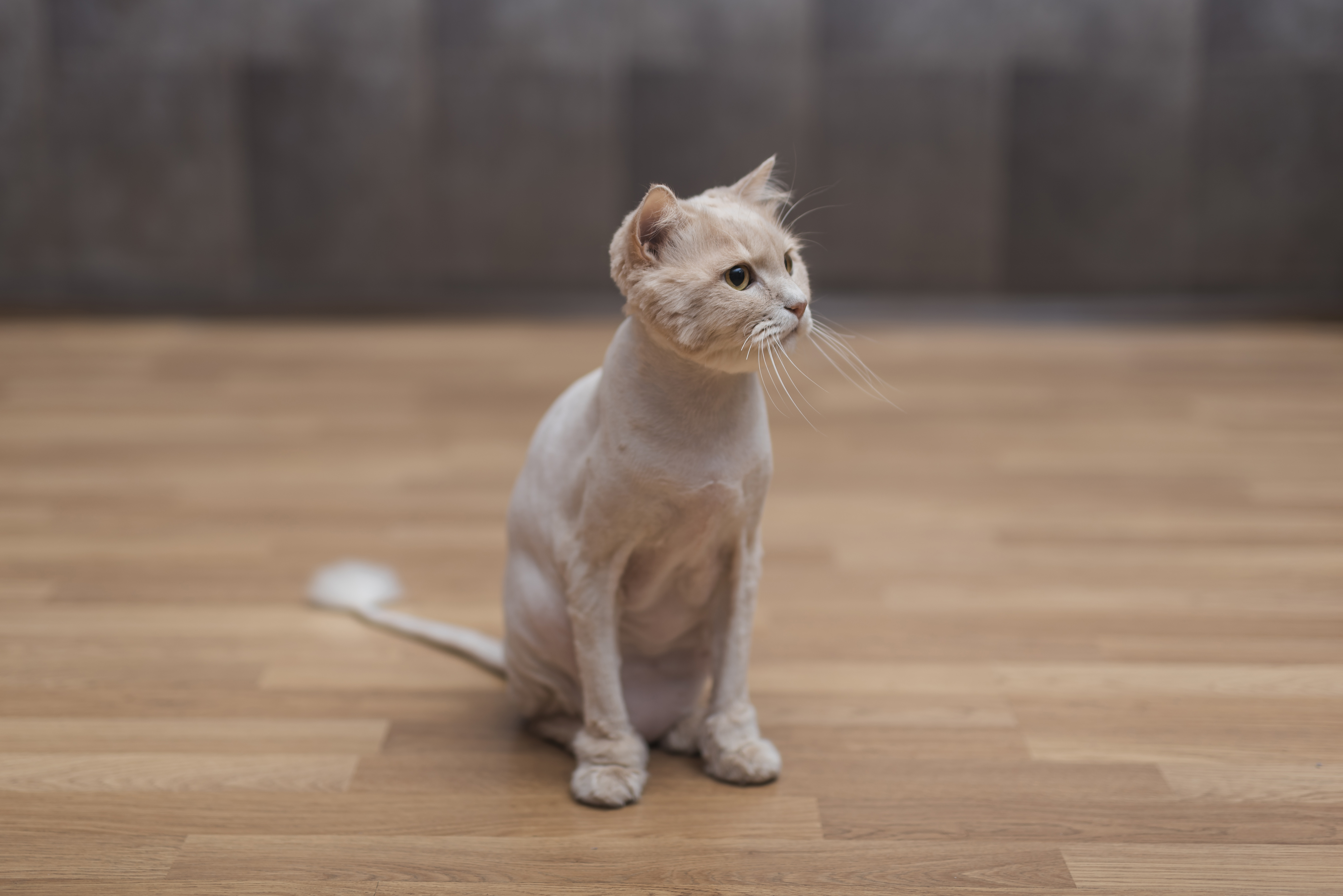
If there’s a single universal truth about all animals, it’s as we get older, things start to change. We start to slow down and our habits change, particularly our diet. For cat owners, seeing your older cat losing weight might throw up red flags.
As cats age, subtle changes in their health and behaviour become more common and one of the most concerning signs for pet owners is unexpected weight loss. While a slight reduction in body mass can be part of the natural ageing process, noticeable or rapid weight loss in older cats should never be ignored.
In this guide, we’ll walk you through the key reasons why older cats lose weight, when to be concerned, and how the right nutrition, especially a high-quality raw diet, can support your cat’s health in their senior years.
When Is a Cat Considered Old?
Due to the varying life expectancies between breeds of cat, the answer to this question tends to vary, but the average older cat is from 11 years old and above though some can live up to 20 years with very good health and diet management. When they hit 7 years old, a cat is considered to be entering their midlife.
Key Symptoms of Cats Ageing
- Reduced Appetite: As cats get older, their appetite is reduced because their sense of smell or taste weakens, they may have dental issues, or simply just be more lethargic. Even a small drop in daily calorie intake can lead to gradual weight loss.
- Dental Disease: When their teeth or gums are uncomfortable, eating is made even harder, and as cats can hide pain very well, dental issues aren’t seen until significant weight loss is noticed.
- Digestive Issues: As cats age, their digestive systems and internal organs can become less efficient at breaking down and absorbing as many nutrients from the same amount of food.
- Chronic Illness: Conditions such as kidney disease, hyperthyroidism, diabetes, and gastrointestinal disorders are more common in older cats and often result in weight loss.
- Muscle Loss (Sarcopenia): When cats become senior cats, they tend to naturally lose muscle mass over time, especially if their diet lacks sufficient high-quality protein.
Is It Normal for My Older Cat to Lose Weight?
While it’s normal for a senior cat to lose weight, if they start losing weight without a clear reason, making sure you act early is key. Some things to look out for are:
- Visible ribs or spine
- Reduced appetite or changes in eating habits
- Vomiting or diarrhoea
- Increased thirst or urination
- Lethargy or behavioural changes
These symptoms could indicate your cat has underlying medical conditions, and getting an early diagnosis makes a huge difference to the outcome of treatment.
Nutrition for Older Cats Plays a Huge Part
The biggest factor in maintaining a healthy weight for older cats is their diets. Cats are obligate carnivores, meaning they need significantly high levels of protein, moderate fat, and low carbohydrate intake. As cats get older, their organs ability to break these nutrients down decreases and many commercial diets don’t offer the nutritional requirements, especially as older cats need more, making diet a crucial consideration.
Why Raw Food Diets Can Benefit Older Cats
A diet that’s been found to tick a lot of boxes for older and senior cats struggling with weight loss is a raw food diet.
- High-quality protein: Raw foods are high in protein and good fats, helping to preserve lean muscle mass and prevent muscle loss due to age.
- Improved digestibility: Raw food is easier for cats to digest, allowing for better nutrient absorption, especially important for older cats with sensitive digestive systems.
- Enhanced palatability: many older and senior cats find raw food more appealing due to its natural smell and texture especially when served at room temperature, encouraging better appetite and consistent eating habits.
- No fillers or artificial additives: Unlike many processed cat foods, raw senior cat foods are free from unnecessary added carbohydrates, grains, and synthetics that can burden ageing systems and be difficult for their systems to digest.
- Hydration support: Raw cat food contains a lot of natural moisture, helping to support kidney health and hydration, which are two major concerns in older and senior cats.
Transitioning Your Older Cat to a Raw Diet
You should never switch your cat's diet to raw immediately, as this can upset their gastrointestinal tract, and as cats are creatures of habit, sudden changes can have a negative impact on them and even put them off their appetite. Transitioning to their new food should be a timeline process:
- Start by mixing a small amount of raw food with their current diet, serving at room temperature rather than straight from the fridge.
- Increase the proportion over 7–10 days to more raw-dominant meals.
- Monitor appetite, digestion, and stool quality to ensure they’re not only eating but eating enough to nourish them.
At Purrform, our raw food for senior cats has been specifically formulated for cats of 11 years old and above to maintain lean body mass. It features added joint care ingredients, DHA for their cognition, and yeast as a source of prebiotics alongside the high protein.
There’s plenty of flavour options to choose from, and they contain premium cuts of human grade meat, minced with bone and offal. The fine texture contains slightly smaller bone pieces than our standard adult raw food, perfect for anyone seeking vet recommended senior cat food.
Additional Tips to Support a Healthy Weight
Beyond diet, what are the best ways to support and monitor your older and senior cats weight loss? Once you understand the basic ways you can look after them like their diet and noticing the signs of significant, unexplained weight loss, you can better help them lead a healthy, comfortable life.
Other things to consider can include:
- Regular vet check-ups: Not only is this essential for early detection of any underlying illnesses, but vets can help to provide a nutrition plan to keep them healthy.
- Dental care: Scheduling routine dental exams and cleanings can help to rule out any gum or dental diseases that may prevent your cat from eating.
- Smaller, frequent meals: It may be easier for your older cat to manage their loss of appetite with smaller but more frequent meals, which keeps their calories up without straining their stomach.
- Monitor their weight weekly: Keep track of any changes so even if you don’t notice anything visually, you’ll be sure to spot it on the scales.
A raw senior and older cat food diet from Purrform offers a natural, nourishing solution tailored to the needs of ageing cats, supporting everything from muscle maintenance to digestion and overall vitality.
If you’re concerned about your cat’s weight or considering a switch to raw feeding, consult your vet and explore Purrform’s range of complete raw meals designed with your cat’s health in mind.