Understanding seasonal moulting and how to keep your cat’s skin and coat healthy
Posted by Dr Vicki J Adams, BSc DVM MSc PhD MRCVS Veterinary surgeon and Epidemiology Consultant Chief Executive of the Animal Cancer Trust (ACT) charity Director of the Raw Feeding Veterinary Society (RFVS) Director, Dignipets Cambridge on 18th Sep 2026
Seasonal moulting
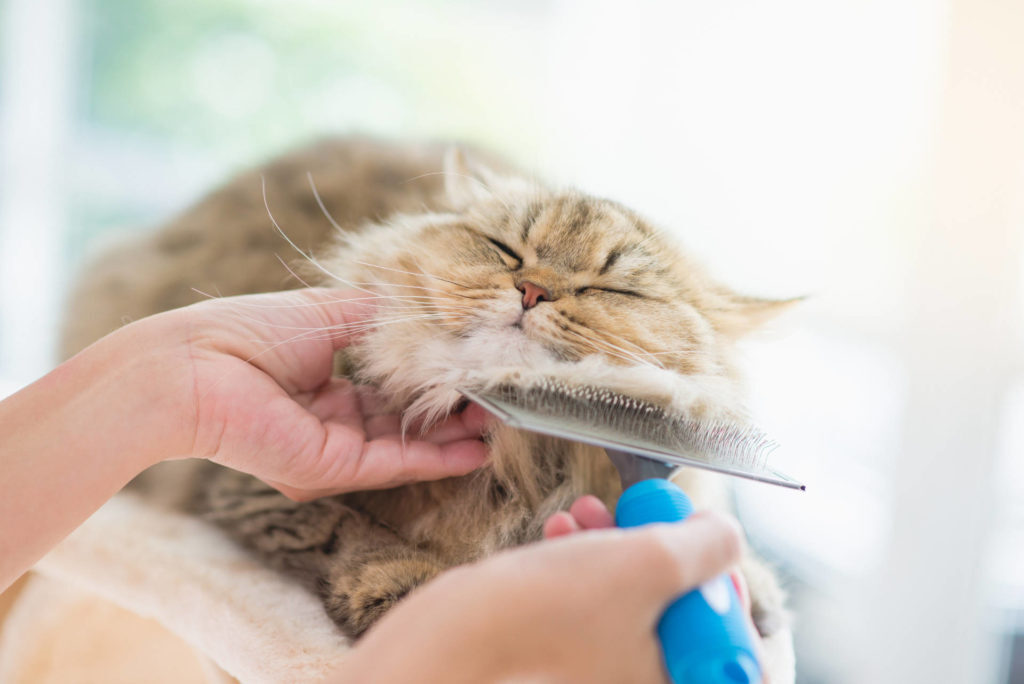
While it may feel as if your cat is leaving fur on every piece of furniture and clothing you own, at certain times of year, seasonal moulting/shedding is completely normal in cats. Shedding is usually a healthy part of your cat’s natural coat cycle, even though it can be messy.
Understanding why cats shed more at certain times of the year can help you manage the hair at home and support your cat’s skin and coat health. Cats lose old and damaged hair so that new hair can grow in its place, and they naturally moult most heavily twice a year – in the spring and autumn to help regulate their body temperature.
Seasonal moulting occurs as a response to changes in daylight hours and shifting temperatures that trigger hormonal signals in the hair follicles. In the spring, cats shed to lose their thick, insulating winter undercoat and prepare for warmer weather, while in the autumn, they shed the lighter summer fur to make room for a denser winter coat.
Indoor cats that live in constant temperatures with stable artificial lighting often shed year-round in a steady cycle that is less obvious than a massive seasonal drop of fur.
With regular grooming, good nutrition and an eye out for warning signs, most cats can stay comfortable throughout seasonal coat changes. There are things that you can do to help your cat during times of intense shedding:
1. Regular Brushing
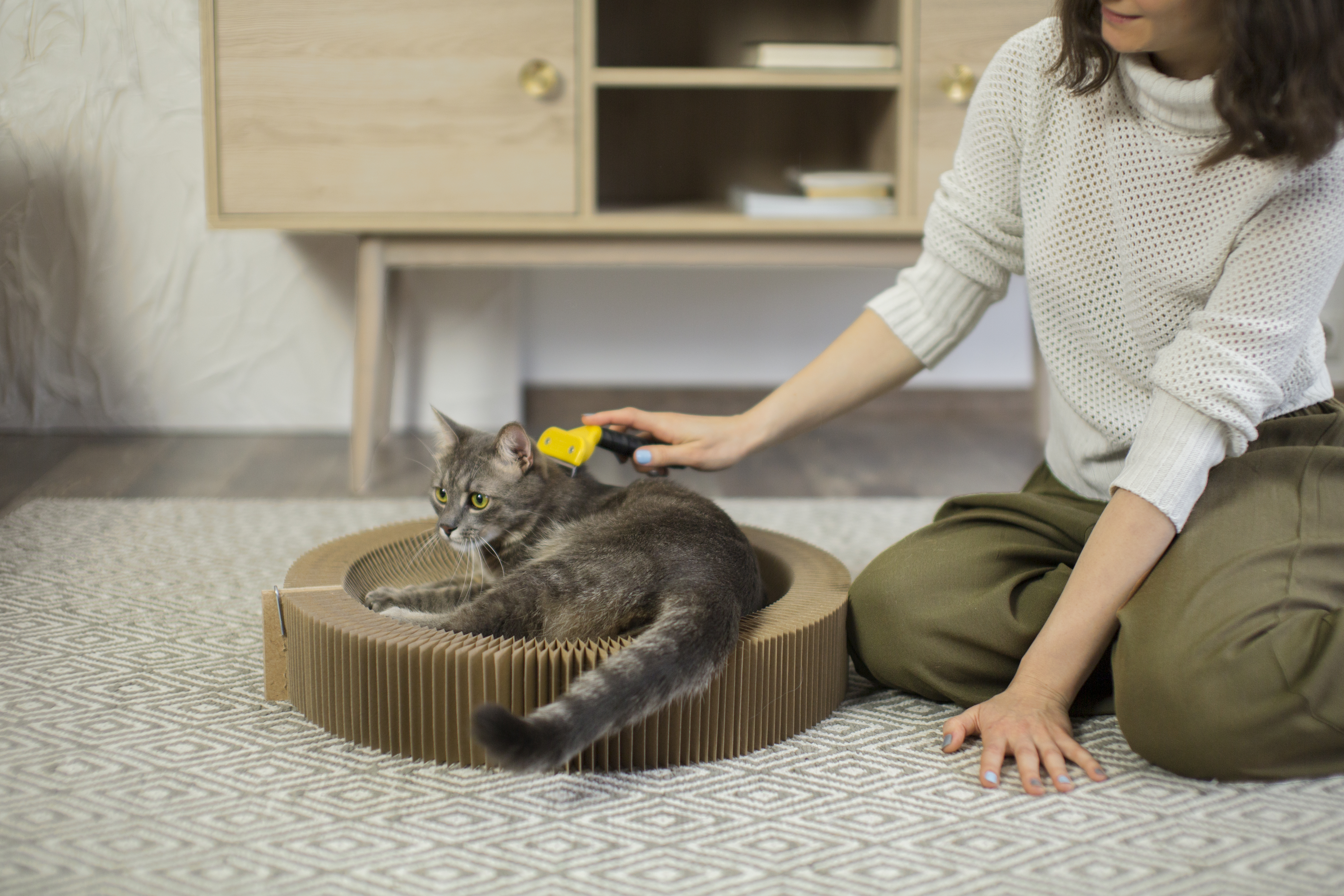
- Brushing helps remove loose hair before it ends up on your furniture or is swallowed during grooming.
- Short-haired cats should be brushed a few times a week while long-haired breeds may need daily brushing to remove loose dead hair and prevent mats from forming.
- Brushing is also a good chance to check for dandruff, redness, scabs, parasites or sore patches hidden beneath the coat.
2. Good Nutrition
- A healthy coat starts from within.
- Cats need a complete, balanced diet with the right levels of protein, vitamins and essential fatty acids to support a strong, healthy coat that sheds less.
- Feeding a high-quality cat food rich in protein and omega-3 fatty acids will help to keep the coat shiny & healthy.
3. Watch for Warning Signs
- Although seasonal shedding is common, excessive hair loss is not always normal.
- Sometimes what looks like shedding is actually fur loss caused by itching, overgrooming, stress or an underlying skin problem.
- Bald patches, red skin or excessive scratching are signs that you should consult with your vet.
The amount of shedding that occurs will vary from cat to cat and by breed. The long-haired breeds and cats with thick coats may appear to shed more because they have more hair, while older cats may struggle to groom themselves as effectively. You may notice more hairballs, especially in cats that groom themselves frequently, as cats will swallow loose fur during grooming. During seasonal shedding, this can lead to more hairballs.
Regular brushing can make a big difference by removing loose hair before your cat ingests it. Making sure your cat stays well hydrated and eats an appropriate diet can also help support normal digestion. If your cat is prone to digestive upset or frequent hairballs, it may be useful to speak to your vet and look at suitable cat digestion products.
How to keep your cat’s skin and coat healthy
In addition to regular grooming, good nutrition is an important factor in keeping your cat's skin healthy and fur soft.
Nutrition and Hydration
- Feed high-protein food
- Cats need animal protein and amino acids like taurine to keep their skin strong and coat glossy.
- Cats need animal protein and amino acids like taurine to keep their skin strong and coat glossy.
- Add omega fatty acids
- While not every cat needs a supplement, in some cases supplements may be a useful addition to your cat’s routine.
- While both omega-3 and omega-6 fatty acids are essential, cats require more omega-6 fatty acids than omega-3 fatty acids in their diet. Cats cannot produce linoleic acid or arachidonic acid on their own, meaning these omega-6 fatty acids must come directly from their food. Unlike other mammals, cats lack the specific enzyme (delta-6 desaturase) needed to convert plant-based fats into the vital omega-6 fatty acids. Omega-6 fatty acids maintain the skin barrier and keep the fur shiny, while the omega-3 fatty acids help manage inflammation, joint health and brain function.
- Encourage hydration
- Fresh water prevents dry skin, so consider a water fountain if your cat drinks very little.
- Fresh water prevents dry skin, so consider a water fountain if your cat drinks very little.
- Parasite Control and Environment
- Check your cat regularly for signs of fleas or ticks and use a reliable, vet-approved parasite treatment when necessary.
- Flea saliva is the most common insect allergen in cats, causing flea allergy dermatitis (FAD). While most cats experience minor skin irritation from flea bites, a cat with FAD will react to a single bite with severe local itching. This reaction is an allergic response to antigens (proteins) in the flea's saliva
- Reduce stress
- Anxiety can cause over-grooming, bald patches, and poor coat health.
Allergies in cats
An allergy is a state of hypersensitivity or over-reactivity of the immune system to a particular substance called an allergen. When a cat with allergies is exposed to an allergen, their body reacts as if it is a threat. Most allergens are proteins from plants, insects, other animals or foods. Allergies are one of the most common medical conditions affecting cats.
Allergies develop when the immune system becomes sensitised to an otherwise harmless substance that the body mistakenly views as a threat. This results in the body responding more forcefully with an immune response the next time it encounters that substance. The immune response triggers a cascade of cell activation and chemical release, leading to the allergic reaction that can include swelling, redness and itching. In more severe cases, the response may cause airway swelling, vomiting, diarrhoea and shock.
Atopic dermatitis, also called atopy, refers to allergic reactions to environmental allergens. Many of these allergens cause problems seasonally, such as ragweed, cedar, and grass pollens while others occur year-round, such as moulds, mildew, and house dust mites.
In cats, atopic dermatitis shows up as severe pruritus (itchy skin). Your cat may be generally itchy and overgroom, causing hair loss in certain areas like their belly, or they may focus on scratching their head and neck.
Cats can develop signs of atopic dermatitis at any age. Many cats react to multiple allergens and some may also have insect or food allergies. Most allergens are hard to avoid, and flare-ups may occur over time. Signs of atopy can be controlled with medication, topical therapy or desensitisation; however, a permanent cure is usually not possible.
To summarise, we can see that moulting is more than just about a cat shedding some fur. Although this is one aspect, which can be caused by temperature, light, diet and age, it can also relate to shedding skin, caused by allergens or parasites. The main purpose of the fur is to insulate, regulate body temperature, protect the skin and provide sensory enhancement. However, the skin is an organ, made up of multiple different tissue types, that work together to perform vital bodily functions. It is very important to look after both and be aware of any issues, as these may be an indication of your cat’s overall health.
More about Dr V J Adams;
Dr Vicki Adams is a veterinary surgeon and epidemiologist. She is the Chief Executive of the Animal Cancer Trust (ACT) charity, a Director of the Raw Feeding Veterinary Society and a Director of Dignipets Cambridge, providing at-home euthanasia and aftercare services for pets. www.dignipets.co.uk The goal of ACT is to be the first port of call for pet owners and all who work with animals to find information and support as soon as the word cancer is mentioned. www.animalcancertrustcharity.co.uk