Sunlight and Fresh Air
Posted by Vicki Adams. Trained Veterinarian and Veterinary Epidemiology Consultant; Animal Cancer Trust Charity on 21st Jul 2026
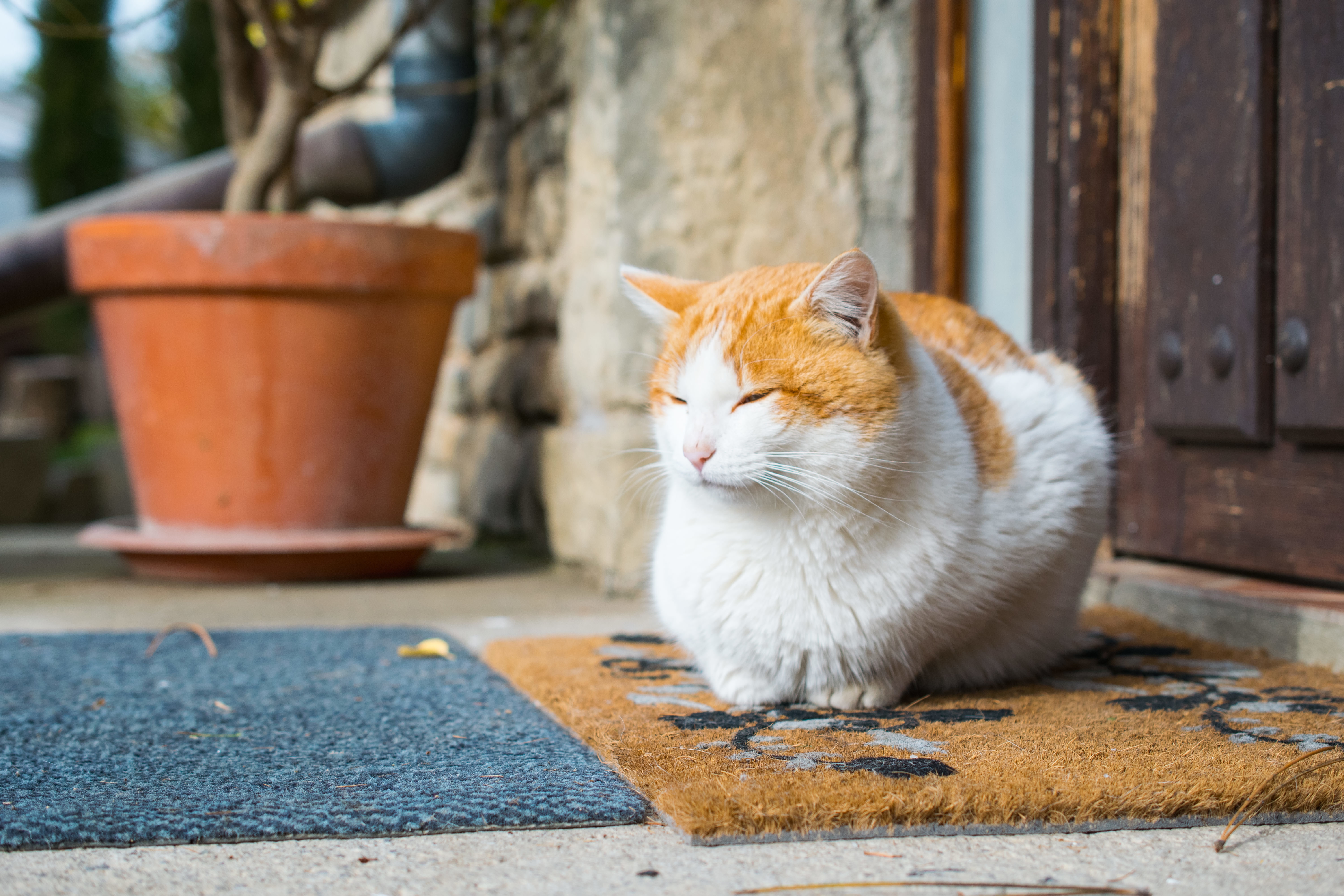
Have you ever noticed how your cat loves to lounge in a sunny spot – whether in the house or outside?
While some would say that your cat does not need the sun for health reasons, one of the top ten tips for preventing cancer in cats, in one of our previous newsletters, was about exposure to light.
Sunbathing is a natural behaviour for cats as their body temperature is naturally higher than ours. Basking in the warmth of the sun increases serotonin levels, and this can help cats feel relaxed and boost their mood. A calm and relaxed cat should benefit from a stronger immune system. Exposure to natural light is also important for the nervous and endocrine systems. Sunbathing can offer natural pain relief and relaxation for your cat. Warmth from the sun helps soothe sore muscles and joints, making it easier for them to unwind and recover after playtime or activity.
On the other hand, too much exposure to the sun can lead to sunburn, dehydration and skin cancer in cats, just as it can for us. This article provides more information about the benefits and risks associated with light exposure for cats.
Why Natural Light for Your Cat?
The notion of light as a preventive measure against cancer might not readily cross our minds, yet it holds potential significance for all mammals, including humans. However, not just any light will suffice; it must be full-spectrum, unfiltered light capable of activating the hypothalamus and maintaining equilibrium within the nervous and endocrine systems. Inadequate illumination or exposure to incorrect types of light (such as fluorescent lighting) can adversely affect the well-being of various life forms including plants and other animals such as fish, birds and reptiles. This phenomenon, known as malillumination, has been shown to suppress immune function and contribute to skin damage, cancer and other health issues.
The full-spectrum, unfiltered light provided by natural sunlight provides specific wavelengths that are vital for synchronising your cat’s circadian rhythms and hormone cycles. It activates the hypothalamus and pineal gland and is vital in regulating crucial body systems. Without it, cats can suffer from neuroendocrine imbalances, elevated stress hormones and disrupted sleep patterns.
The key roles of light in the feline body include those of acting as a master body clock, maintaining endocrine system balance, stress reduction and immune function. Natural light enters the retina and acts directly on an area in the hypothalamus that controls the daily rhythms of sleep, wakefulness and hormonal release. The hypothalamus signals the pineal gland to produce melatonin during dark periods and suppress it in the light. This balance is essential for regulating overall cell metabolism, maintaining blood sugar levels and governing seasonal reproductive cycles. Research shows that light composition has a measurable impact on feline well-being. Inadequate or imbalanced lighting can trigger the hypothalamic-pituitary-adrenocortical (HPA) axis, elevating stress hormones such as cortisol. Maintaining these balances prevents chronic immune suppression and stress-related hiding or aggressive behaviours (Yaw et al., 2025).
It's important to note that while certain plastics allow transmission of full-spectrum natural light, materials like glass windows do not. Most household window glass blocks the majority of natural ultraviolet (UV) and far-infrared light. So, when your cat sits in a sunbeam indoors, they are receiving a filtered version of sunlight that doesn't fully activate the neuroendocrine pathways. Practical ways to obtain optimal light exposure include using true full-spectrum lighting where natural light is limited; LED or fluorescent bulbs designed to emit a balanced spectrum of visible light, UV-A and UV-B can mimic natural sunlight. In addition, darkness is equally important as healthy rhythms require time in true darkness. Keeping the environment dark during the night allows for proper melatonin synthesis and deep rest for both us and our cats.
How to Give Your Cat Safe Sunlight Exposure
Giving your cat controlled, safe access to outdoor spaces such as a screened porch or cat patio (catio) allows for unfiltered, natural light exposure. Catios are an excellent way to give indoor cats fresh air, an opportunity for sunbathing and mental stimulation while keeping them safe. They range from window-box extensions to large walk-in enclosures that may be freestanding or connect to the house. They can be connected to your home via a cat door for 24/7 access or use a tunnel system. Vertical space can be maximised with shelves, ramps and hammocks to allow cats to jump, climb and run. An angled roof is a good idea to shield cats from rain and direct sun; umbrellas or trees can also be used to provide protection.
Cats can suffer from dehydration and overheating if exposure is prolonged, especially during the peak hours of sunlight. Signs may include reduced activity, lethargy or panting. Ensuring that cats have access to shade and water is vital in preventing any problems. Providing resting places or beds in both sunny and shady locations gives your cat choices.
Cats cannot synthesise vitamin D from sunlight because their skin lacks the metabolic ability to convert UV radiation into a vitamin D precursor. Unlike humans, who rely on sun exposure, cats are obligate carnivores and must obtain 100% of their vitamin D directly through their diet.
Sunburn and Skin Cancer Risks in Cats
Skin cancer in cats typically presents as persistent scabs, non-healing sores or raised, ulcerated lumps on sun-exposed areas like the ears, nose or eyelids. The most common type is squamous cell carcinoma (SCC), which is highly linked to ultraviolet (UV) damage and primarily affects white or light-coloured cats. Other tumour types include mast cell tumours and basal cell tumours. Diagnosis usually requires biopsy or tumour removal to obtain tissue for microscopic examination. Treatment options vary with tumour type, size and location and may include surgery, cryotherapy or radiation therapy. Chemotherapy may be used in conjunction with any of these treatments. Prognosis depends on the tumour type and stage as well as size of the tumour. SCC usually starts as a small scabby area that does not heal on an ear tip, eyelid or the nose and can appear as crusty, red or scabby skin that may ulcerate and bleed. It can be locally destructive, spreading aggressively locally but does not tend to spread distantly. Surgical removal can be curative if the tumour has not grown too large and a good margin can be achieved.
Sunburn and the potential for skin cancer can be prevented by using sunscreen. The tips of the ears, bridge of the nose, eyelids, and belly are most at risk because they have little to no fur to block UV rays. Applying a pet-safe sunscreen to those vulnerable areas with thin or no fur such as the nose, tips of the ears and belly offers protection and helps prevent serious sun damage. Check the product labelling to make sure it is appropriate and safe for cats. Do not use human sunscreen on cats as many human formulations contain zinc oxide or salicylates, which are highly toxic to cats.
Therefore, we can see that overall, it is very important for cats to have some exposure to natural, unfiltered sunlight from time to time. However, as with humans, it is crucial to be aware of the potential dangers and take the necessary precautions.
References
Yaw AM, Gardella ME, Jacobs J, Hoffmann HM. Light quality and time in shelter modulate behavior and cortisol in the domestic cat (Felis catus). iScience. 2025;28(6):112709. Published 2025 May 20. doi:10.1016/j.isci.2025.112709.