
When is a Cat a Senior?
21st Aug 2026
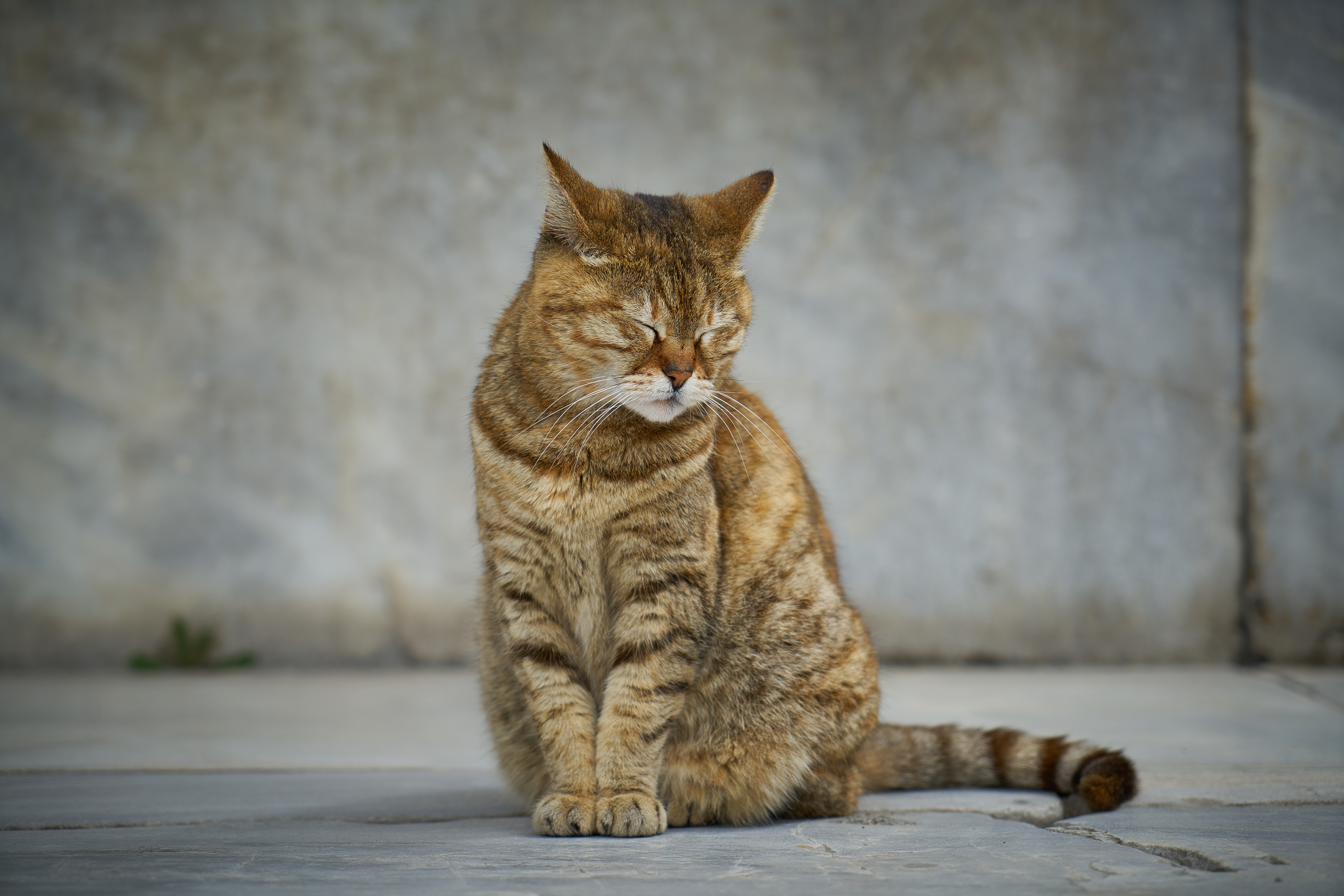
As your cat gets older, you may start to notice small changes in their behaviour, appetite and general health, making you wonder when a cat is a senior. Perhaps they are sleeping a little more, aren't jumping quite as high as they used to, or are becoming more particular about their food.
Knowing when your cat reaches their senior years is important for understanding how their nutritional and health needs can change. While every cat ages differently, there are some general guidelines that can help you understand when it's time to start paying closer attention to their diet and wellbeing.
When is a Cat Considered a Senior?
Generally, a cat is considered to be a senior from around 11 years old. Cats aged between 7 and 10 are usually considered to be mature, while cats from 11 to 14 are considered senior, which is where our senior cat food range is designed to be eaten from. From around 15 years old, cats are classed as geriatric or super-senior.
This means that age is only one part of understanding whether your cat is becoming a senior. Paying attention to changes in their behaviour, appearance and appetite is just as important.
What Are the Signs of an Ageing Cat?
Cats are incredibly good at hiding changes in their health, which means some signs of ageing can be difficult to spot.
As your cat gets older, you may notice:
- Sleeping more than they used to
- Less interest in playing or exploring
- Difficulty jumping onto furniture or climbing stairs
- Changes in appetite
- Gradual or unexpected weight loss
- Changes in their grooming habits
- Stiffness or reduced mobility
- Drinking or urinating more frequently
- Changes in their behaviour or temperament
While some slowing down is a natural part of ageing, noticeable changes shouldn't simply be dismissed as your cat "getting old". Changes in appetite, weight, drinking habits, or mobility can sometimes be signs of an underlying health condition.
If you're concerned about any changes in your senior cat, it's always best to speak to your vet.
Does My Senior Cat Need a Different Diet?
As cats enter their senior years, their nutritional requirements can change. Their bodies become less efficient at digesting and absorbing nutrients, while maintaining healthy muscle mass can become more difficult.
This is why providing a diet with high-quality, highly digestible protein is particularly important for senior cats. Protein helps support lean body mass, while the right balance of fats, vitamins and minerals can help support their overall health.
Hydration is also an important consideration. Cats naturally have a low thirst drive, so feeding foods with a high natural moisture content can be a useful way of supporting their daily water intake.
However, there isn't one diet that will be right for every senior cat. If your cat has been diagnosed with a condition such as kidney disease, diabetes or hyperthyroidism, their nutritional needs may be different, so it's important to follow your vet's advice.
What is the Best Food for a Senior Cat?
The best food for a senior cat should provide the nutrients they need while being easy to digest and appealing enough to encourage them to eat.
For many senior cats, a high-quality diet with plenty of animal-based protein can help support their lean body mass as they age. Senior cats can also benefit from fresh cat diets that contain ingredients selected to support areas such as joint health and cognitive function.
This is why we developed our Senior Cat Food Range specifically for cats aged 11 years and above. Our Senior Range has increased protein levels to help maintain lean body mass, alongside joint care ingredients, DHA to support cognition and yeast as a source of prebiotics. The food is made using premium cuts of human-grade meat, minced with bone and offal, with a fine texture and slightly smaller pieces of bone than our standard adult varieties.
Should I Change My Cat's Food When They Become a Senior?
You don't necessarily need to change your cat's food the moment they turn 11. Instead, it's worth considering whether their current diet continues to meet their nutritional needs and whether you've noticed any changes in their appetite, weight or digestion.
If you do decide to change their diet, it's important to do so gradually. Read our full transitioning guide on how to encourage them to eat their new food.
Feeding Your Cat Through Their Senior Years
So, when is a cat a senior? Generally, from around 11 years old, your cat enters their senior years. But while this is a useful guideline, their individual health and behaviour are ultimately more important than the number on the calendar.
As your cat ages, their nutritional needs can change, making a complete, balanced diet with high-quality protein an important part of supporting their health and maintaining lean body mass.
At Purrform, our Senior Cat Food Range has been specifically formulated for cats aged 11 years and above, providing highly digestible protein alongside ingredients selected to support their changing nutritional needs.