Beyond the "Renal" Label: Why Your Cat's Kidney Health Depends on the Source of Phosphorus, Not Just the Amount
Posted by Amaya Espindola, MRCVS - Focused on Feline Medicine - Felvet.co.uk on 25th Jun 2026
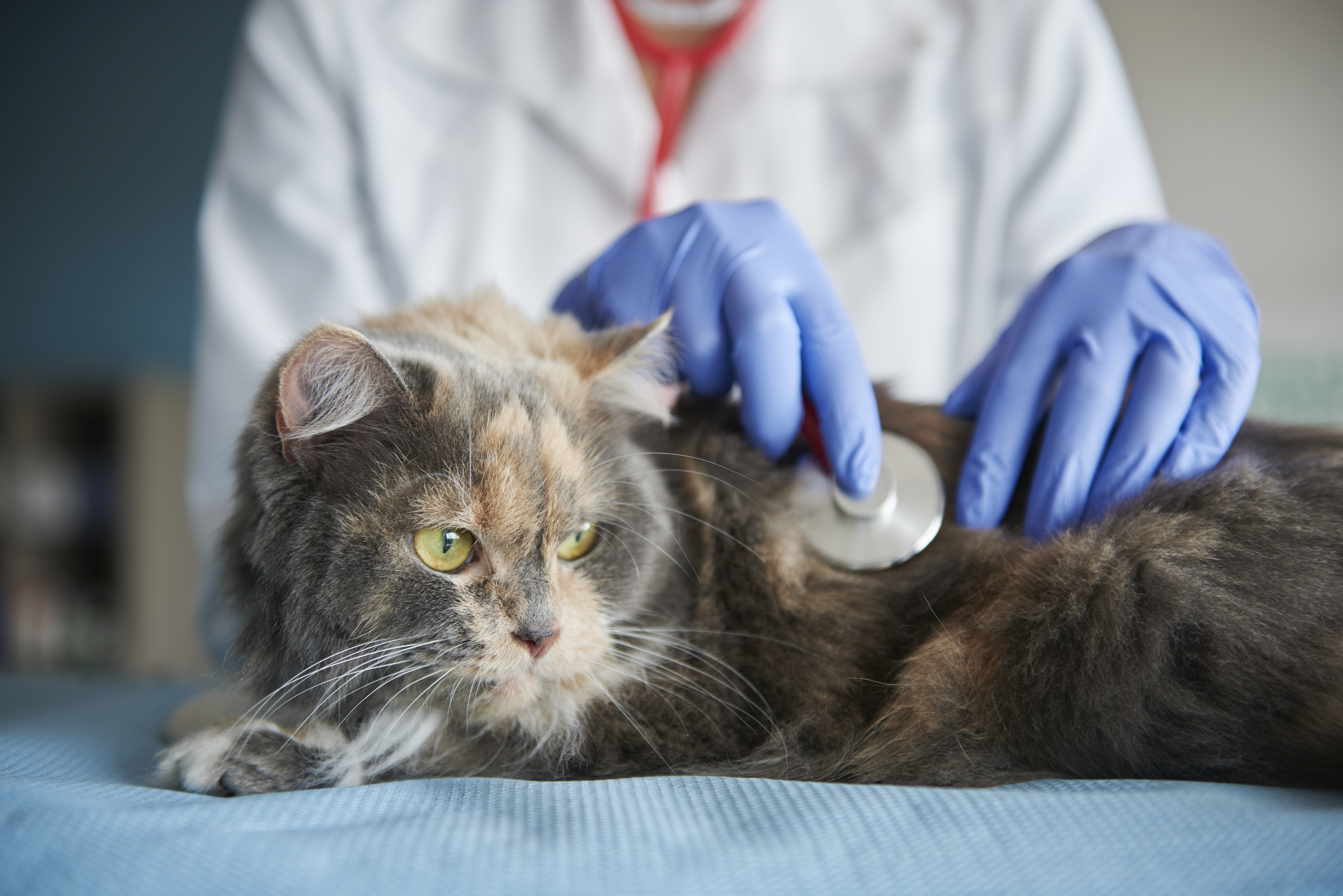
For a cat parent, a diagnosis of Chronic Kidney Disease (CKD) is terrifying. Your first instinct is to trust the prescription “renal” diet recommended by your veterinarian. These diets are marketed as the gold standard, primarily because they are significantly lower in phosphorus. But what if the conventional focus on “low phosphorus” is missing a much more dangerous variable?
The reality is that not all phosphorus is created equal. While conventional renal diets slash total phosphorus levels, often at the expense of high-quality protein, which can cause severe muscle wasting, the commercial pet food industry simultaneously fills standard kibble and even some “natural” canned foods with highly bioavailable, chemical phosphate additives to meet regulatory guidelines. To truly protect your cat’s kidneys, you need to understand the biological difference between the natural phosphorus found in a piece of fresh meat and the chemical phosphoric acid sprayed onto a nugget of dry kibble.
The Kidney’s Balancing Act: Why Excess Phosphorus Becomes a Burden
To understand why phosphorus is the primary enemy in kidney disease, we have to look at how a cat functions. In a healthy body, phosphorus is a vital workhorse. It builds bones, maintains cell membranes, and acts as the literal chemical fuel for every single heartbeat.
The kidneys act as the body’s primary filtration and disposal system for minerals. When a cat eats a meal, the phosphorus enters the bloodstream. Healthy kidneys filter this blood, reabsorbing what the body needs and dumping the excess into the urine to keep everything in a tight, safe balance.
What Happens in Kidney Disease?
As kidney function declines, the number of working filters (nephrons) decreases. Imagine a busy highway where four lanes suddenly merge into one. The traffic (phosphorus) starts to back up in the blood, leading to a dangerous buildup known as hyperphosphatemia.
When blood phosphorus levels rise, the body views this as an immediate toxic threat. It forces two major hormones—Parathyroid Hormone (PTH) and Fibroblast Growth Factor-23 (FGF23) to go into overdrive. These hormones work like a whip, forcing the remaining, overworked kidney filters to dump the excess mineral into the urine.
While this emergency mechanism helps lower blood phosphorus in the short term, it triggers a destructive spiral:
- Hormonal Burnout: Constant high levels of these hormones act as a systemic stressor, driving inflammation and accelerating the progression of renal failure itself.
- Stealing from the Bones: To balance the mineral chaos in the blood, hormones force the body to strip calcium and phosphorus directly out of the bones. Over time, this drastically weakens the skeleton, making it brittle and painful.
- Kidney Scarring: Forcing high amounts of phosphorus through a dwindling number of functional kidney filters causes direct cellular damage. The kidney essentially scars itself trying to clear the heavy mineral load.
This is known as the "Trade-off Hypothesis": the body will sacrifice the long-term health of its bones and tissues just to keep blood phosphorus stable for one more day.
Organic vs. Inorganic: The Great Phosphorus Illusion
The standard guaranteed analysis on a pet food label only tells you the total amount of phosphorus. It doesn't tell you the type. This distinction is the most critical piece of missing information for a cat parent.
1. Organic Phosphorus (The Natural Choice)
Organic phosphorus is naturally bound to proteins or lipids in animal tissues (meat and organs) or found in plant ingredients.
- Meat-Based: Found inside muscle meat and organs. Because it is tightly locked within a complex protein matrix, the cat's digestive system must work hard to break down the food and unlock the mineral. Because digestion is a slow, steady process, cats only absorb about 40% to 60% of the phosphorus found in fresh meat.
- Plant-Based: Found in grains and cereals. Because cats are obligate carnivores, they lack the necessary enzymes to break this form down effectively. As a result, the majority of plant-based phosphorus passes completely unabsorbed straight through them.
2. Inorganic Phosphorus (The Chemical Shortcut)
Inorganic phosphates are chemically engineered mineral salts like sodium phosphate, dicalcium phosphate, and phosphoric acid. These are not bound to protein; they are "free" and highly soluble in water.
- The Absorption Trap: Because these chemical salts are highly soluble, they require virtually no digestion. The moment they reach the gut, they instantly dissolve and flood the bloodstream. Studies show that cats absorb nearly 100% of inorganic phosphate additives.
- The Postprandial Surge: While fresh meat creates a slow, manageable trickle of minerals, chemical additives cause a sudden "flash flood" in the blood. Research has confirmed that feeding healthy cats a diet containing inorganic phosphate additives triggers an immediate, sharp spike in blood phosphorus and hormone levels, forcing the kidneys to work under intense stress.
The Hidden Danger in Ultra-Processed Foods
If inorganic phosphates are so stressful for a cat's biology, why does the pet food industry rely on them so heavily? They serve three major commercial purposes:
- Palatability: Cats are highly attracted to acidic flavors. Phosphoric acid is a cheap, powerful flavor enhancer sprayed onto starchy dry kibble to make it taste like real meat to an obligate carnivore.
- Texture: These chemical salts act as emulsifiers and water binders, keeping canned foods perfectly mixed and keeping dry food structurally stable on store shelves.
- Preservation: They serve as stabilizers, drastically extending shelf life so food can sit in warehouses for months without spoiling.
The Regulatory Paradox
To be labeled as "Complete and Balanced," pet foods must meet minimum nutritional requirements set by regulatory organizations like AAFCO. However, these guidelines only enforce minimums for phosphorus in cats ; they do not enforce a strict, safe maximum limit.
When commercial pet foods undergo extreme high-heat processing (like extrusion for kibble), the natural nutrients are heavily degraded. To cheaply guarantee a batch hits regulatory minimums before it is packaged, manufacturers dump in heavy doses of free, inorganic phosphate salts. The result is an ultra-processed food that contains phosphorus levels vastly exceeding what a cat actually needs, delivered in a highly absorbable, stressful chemical form.
The Energy Connection: Why Forcing Phosphorus Too Low is Dangerous
In their anxiety to protect their cat’s kidneys, many well-meaning owners try to drive dietary phosphorus levels down as close to zero as possible. This can be a grave mistake.
Phosphorus is the absolute backbone of Adenosine Triphosphate (ATP), the fundamental energy currency required by every single living cell. Without phosphorus, cells cannot produce energy. Every single physiological process, from the firing of brain signals to the steady pumping of the heart muscle, requires a continuous supply of ATP.
The Danger of Deficiency
If phosphorus restriction is taken to an extreme, or if an excessive dose of medical binders strips too much phosphorus out of the food, the cat will develop a dangerous systemic deficiency. When cellular energy production collapses due to a lack of phosphorus, the consequences are severe:
- Severe Weakness: Deprived of basic cellular fuel, muscle tissues waste away. Cats become profoundly lethargic, weak, and lose the physical strength to jump or move comfortably.
- Organ Stress: Vital organs, including the heart muscle, struggle to contract and function efficiently without constant energy synthesis.
If your cat's blood phosphorus is sitting comfortably within the normal range, aggressively forcing it lower with a low-protein, mineral-depleted diet will cause rapid muscle breakdown. Your cat's lab work might look "better" on paper to a veterinarian, but the cat will feel physically weaker, starved of energy, and hollowed out by muscle wasting.
Managing Phosphorus Naturally: Strategic Nutritional Interventions
The primary goal for a feline kidney patient is to maximize high-quality energy and preserve muscle mass while minimizing the toxic mineral burden placed on the renal tissue. This balance can be achieved naturally by focusing on clean ingredient sourcing rather than raw percentages.
1. Prioritize High-Quality, Easily Digestible Protein
Traditional commercial renal prescription foods often drastically reduce total protein content, substituting clean meat with lower-quality alternatives like corn gluten meal, wheat gluten, or heavy animal by-products. They do this because meat is naturally rich in organic phosphorus. However, because cats are obligate carnivores, minimizing protein too far forces their bodies to literally consume their own muscle tissue to harvest essential amino acids.
Instead of starving your cat of protein, prioritize highly digestible, high-quality fresh meats (such as poultry, egg whites, and clean organ meats). Clean, high-quality proteins are highly digestible, meaning they create far less metabolic waste for the kidneys to process, maintaining your cat's strength and appetite naturally.
2. Maintain a Proper 2:1 Calcium-to-Phosphorus Ratio
In nature, a wild cat consumes whole prey animals, ingesting muscle meat alongside raw bone tissue. Bone tissue is heavily saturated with natural calcium. This pairing is an elegant biological design: calcium acts as a natural dietary binder within the digestive tract, locking onto organic phosphorus molecules right inside the gut and preventing them from crossing into the bloodstream.
- The Protective Target: To recreate this natural defensive mechanism in a fresh or home-cooked diet, aim to maintain a 2:1 Calcium-to-Phosphorus mass ratio.
- The Meat-Only Hazard: Feeding a pure "meat-only" diet without an added calcium source is incredibly dangerous. Pure muscle meat has an upside-down ratio, containing massive amounts of phosphorus and virtually no calcium. This mineral imbalance tricks the body into a state of panic, forcing it to strip calcium directly out of the cat's own skeleton to balance the blood, leading to severe bone pain and systemic weakness. Adding a clean calcium source (like calcium carbonate or eggshell powder) to a raw or fresh diet restores the balance, safely locking up excess phosphorus so it can pass harmlessly out in the stool.
3. Support the "Nitrogen Trap" with Soluble Fiber
Integrating specific soluble fibers (such as psyllium husk or inulin) into your cat's wet food provides excellent support for the digestive tract. Soluble fiber serves as a fermentable food source that feeds the good, beneficial bacteria residing in the large intestine.
As these healthy bacterial populations thrive and feed on the fiber, they pull circulating blood urea and toxic waste products directly out of the bloodstream to use as their own nutrients. This waste is then safely trapped and swept out of the body within the feces. By routing a portion of these waste products through the bowel, you significantly reduce the filtration workload and stress placed on the remaining kidney filters.
Understanding Intestinal Phosphate Binders
Intestinal Phosphate Binders are supplements mixed directly into a cat's meals. They act like molecular magnets: as food undergoes digestion, the binder grabs onto free phosphorus molecules within the food matrix, creating a large compound that cannot be absorbed, allowing it to pass safely out in the feces.
Key Strategies for Success
- Timing is Everything: Binders are completely useless if given on an empty stomach. They must be mixed thoroughly into wet food or given at the exact time of a meal to ensure they physically interface with the dietary phosphorus as the cat eats.
- When to Introduce Them: Binders are generally introduced when dietary adjustments alone (like switching to a low-phosphorus, additive-free wet food) are not enough to bring a cat’s blood phosphorus back down into a healthy range.
Types of Binders
- Calcium Carbonate / Calcium-Based Binders: These are highly effective and widely used because they double as a calcium supplement. They are generally palatable and easily mixed into food, helping to achieve that protective mineral balance right in the gut. However, blood work must be monitored to ensure the cat's calcium levels do not climb too high.
- Chitosan-Based Binders: Often combined with calcium carbonate, chitosan is a natural compound that helps bind both dietary phosphorus and circulating uremic waste products in the digestive tract, offering a gentle, multi-action approach.
- Aluminum Hydroxide: This is an incredibly potent and historically popular phosphorus binder. However, it is fundamentally a chemical additive, can cause severe constipation, and many cats heavily dislike its chalky taste, making it difficult to feed without causing food aversion. While it remains a highly effective emergency tool for stubborn cases, many cat parents prefer to start with gentler, more natural calcium or chitosan-based options first.
- Lanthanum Carbonate: This is a next-generation binder that uses lanthanum ions to bind tightly to dietary phosphorus across a wide pH spectrum. It has an exceptionally strong binding affinity, meaning a small dose goes a long way. Because it is calcium-free, it carries no risk of raising blood calcium levels. However, it can be expensive and may occasionally cause mild stomach upset or vomiting in sensitive cats.
Summary Checklist for Cat Parents
Protecting your cat's kidney health means looking past the front of the bag and focusing entirely on real ingredient quality:
- Scan for Chemical Additives: Check your cat's pet food labels for hidden inorganic chemical additives. Avoid foods containing phosphoric acid, sodium phosphate, monocalcium phosphate, or dicalcium phosphate.
- Ditch Dry Kibble: Transition your cat entirely away from dry kibble. Kibble relies on heavy starch binders, uses chemical acids for flavor, and leaves your cat in a state of mild, chronic dehydration.
- Feed High-Moisture Wet Foods: Switch to high-quality, moisture-rich fresh, raw, or commercial wet foods. Cats with kidney stress cannot concentrate their urine efficiently; high-moisture foods provide the hydration they desperately need to flush out waste products.
- Balance Fresh Food with Calcium: If preparing a fresh or raw meal, never feed plain meat by itself. Always integrate a proper calcium source to maintain a protective 2:1 calcium-to-phosphorus ratio to lock up natural minerals in the gut.
- Feed the Good Bacteria: Add a pinch of soluble fiber to your cat's wet food to feed the healthy bacteria in the large intestine, creating a natural waste trap that takes the burden off the kidneys.
By focusing on the biological source of phosphorus rather than just a restriction number, you can eliminate toxic chemical surges while continuing to provide the vital energy and high-quality protein your cat needs. Don't let a generic "renal" label fool you—look at the ingredients, feed the obligate carnivore, and support the cat, not just the disease.