Ear Infections: More Than a Local Issue
Posted by Dr. Amaya Espindola, MRCVS. Director of Felvet Limited - felvet.co.uk on 13th Oct 2026
Dr. Amaya Espíndola, MRCVS is a holistic, cat and nutrition specialist, veterinarian based in the UK She offers online consultations worldwide, focusing on nutrition as the first line of therapy. With a background in psychosomatic medicine, Amaya approaches each case by considering the deep connection between physical symptoms and emotional wellbeing, aiming to support feline health from a truly integrative perspective. You can find her at felvet.co.uk and on Instagram at @felvetforcats.
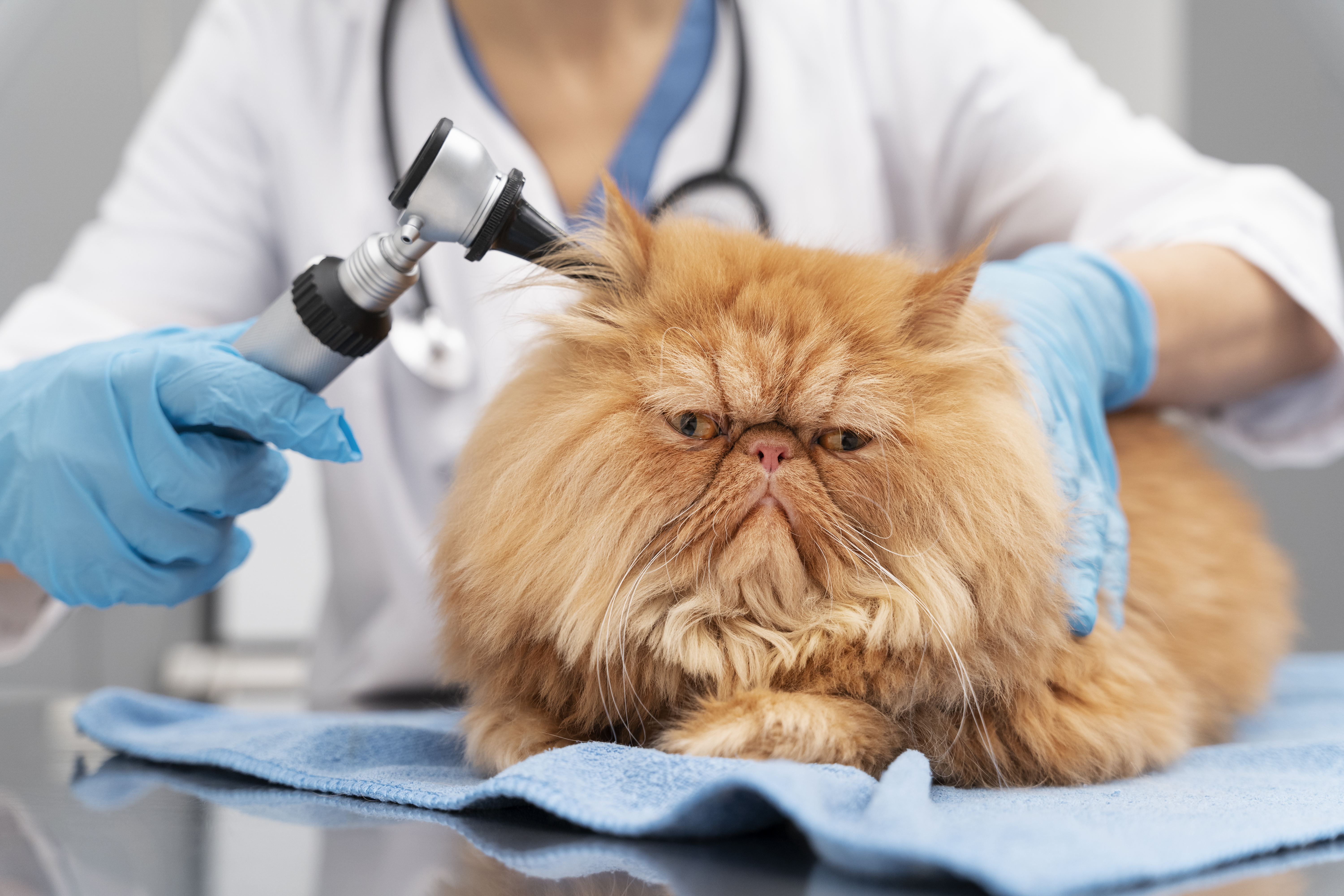
Ear infections in cats, clinically known as otitis externa, rarely begin and end inside the ear canal. They are often treated as a simple surface problem, but when inflammation keeps coming back, it is usually the visible sign of something deeper: chronic low-grade inflammation and an immune system that is struggling to regulate itself.
The ear canal is an extension of the skin, so its health is closely tied to the balance of the whole body. If your cat has recurring flare-ups, drops alone will only deal with what you can see. To find lasting comfort, we need to look at what is driving the reactivity underneath.
The Gut-Ear Connection: Where Immunity Truly Begins
A large part of your cat's immune system lives in the gut. The intestinal lining is the body's main gatekeeper, and when it is irritated, whether by food intolerances, poor-quality ingredients, medication or stress, the tight junctions between its cells can loosen and the gut becomes more permeable. Incompletely digested proteins and bacterial toxins may then slip into the bloodstream, and the immune system goes on high alert.
From there, the body responds by producing antibodies and activating mast cells, which release histamine and other inflammatory messengers into distant tissues. The skin is one of the first places to show it, and the delicate lining of the ear is especially vulnerable. In this heightened state the body becomes hypersensitive, and food sensitivities can develop quickly.
The "Full Cup" Effect
I like to think of inflammation as a cup. Every irritant adds a little: a processed diet, a stressful week, a course of medication, a seasonal allergen. For a while the cat copes. But when the cup is already nearly full, one small extra trigger makes it spill over, and that is often when the ears flare up, with heat, itching and discharge.
This is why two cats can be exposed to the same pollen or the same food and only one of them ends up with an ear infection. It is rarely about the last drop. It is about how full the cup already was.
Nourishing the Immune System: The Power of Real Food
Because chronic ear inflammation is so closely linked to digestion and immunity, species-appropriate nutrition is the foundation of long-term recovery. Cats are obligate carnivores, with metabolic pathways that depend on moisture-rich, meat-based food.
Hydration matters. Wild cats get almost all their water from fresh prey, and domestic cats have kept that low thirst drive. Feeding high-moisture wet food helps keep tissues hydrated and supports healthy lymphatic drainage and the body's natural detoxification processes.
Not all wet foods are equal, though. To calm systemic inflammation, a wet diet should have:
- Clear, high-quality, transparently named animal protein sources.
- No added sugars or syrups, and no unnecessary processed grains such as wheat, maize or rice, which cats have not evolved the enzymes to process well.
The idea of a "complete" diet also deserves a closer look. In commercial pet food, a food counts as complete when it meets minimum nutrient profiles, which is frequently achieved by adding synthetic vitamin and mineral premixes. These premixes have their purpose, but individual cats respond to them very differently. In sensitive animals, high doses of isolated additives can act as subtle gut irritants.
In many cases, choosing whole foods that supply these trace nutrients naturally, such as real organ meats, natural calcium sources and clean fats, gives gentler and more bioavailable nourishment. Every cat has its own tolerance. Some do brilliantly on clean, minimally supplemented meals, while others need specific adjustments.
The Hidden Impact of Ultra-Processed Kibble
Any conversation about feline inflammation has to include ultra-processed dry food, even when it is recommended or sold in veterinary practices. Extrusion changes the food's ingredients at a fundamental level.
Kibble needs a lot of starch to hold its shape during high-heat, high-pressure manufacturing. This type of cooking triggers Maillard reactions, which create advanced glycation end-products (AGEs) and advanced lipoxidation end-products (ALEs). These compounds can build up in tissues and contribute to ongoing cellular inflammation.
Add a carbohydrate load that the feline digestive tract is not built to handle, and the result can be a constant, low-grade inflammatory state. Over time, this can predispose your cat's ear canals to excess wax, warmth and recurrent secondary infections. In other words, it keeps topping up the cup.
Skin Barrier and Fats: The Omega-3 Question
A healthy ear canal depends on a well-nourished skin barrier, and that barrier is built partly from fats. The delicate marine omega-3s EPA and DHA are easily damaged by the heat and long storage involved in making and shipping processed pet food. Cats also convert plant-based omega-3s very poorly, so they depend on animal and marine sources.
Without enough of these anti-inflammatory fats, the body leans towards producing pro-inflammatory messengers instead of the ones that help inflammation resolve. The skin becomes dry and reactive and is less able to defend itself against opportunistic microbes. Fresh, well-stored marine oils, or fatty fish suited to cats, can help restore the skin's protective lipid layer and support tissue repair, including in the ear canal.
Investigating the Whole Cat: Gut Symptoms and Hidden Stress
With a cat prone to ear irritation, it helps to step back and see the whole picture. The first place to look is the digestive system. We often dismiss subtle digestive symptoms as "normal quirks", but occasional vomiting, frequent hairballs and dry, sluggish stools are signs of irritation and altered gut function.
At the same time, we need to think about your cat's emotional environment. Feline stress rarely looks dramatic, because cats tend to keep their worries inside. A stressed cat might stop playing, sleep more, hide or simply withdraw. Everyday household dynamics can keep the nervous system on edge: tension between cats, competition over resources, a neighbourhood cat patrolling outside the window.
The body pays for this. Chronic stress means a constant release of stress hormones, which disrupts gut motility, raises blood glucose, alters intestinal permeability and lowers the threshold at which the immune system reacts. A cat living with underlying tension will be much more susceptible to flare-ups and food reactions than a relaxed one.
Finding Balance: Avoiding Over-Cleaning and Embracing Gentle Support
Local care needs just as much thought. Keeping the ears clean is necessary during an active infection, but too much hygiene can keep the problem going. Cotton buds, aggressive routine cleaning and frequent harsh antiseptic wipes strip the canal of its natural sebum barrier, a layer of protective lipids that helps prevent microbial overgrowth. Without it, the tissue is left raw and even more vulnerable to infection.
The ear is also designed to look after itself: wax naturally migrates outwards and carries debris and microbes with it. Unless your vet advises otherwise, keep cleaning to the outer pinna with a gentle wipe. Always ask for an ear cytology to confirm whether you are dealing with bacteria, yeast or ear parasites before applying any treatment.
There is also room for natural, supportive options, especially for the internal barriers. Soothing herbal mucilages such as marshmallow root and slippery elm coat and calm the digestive lining and give inflamed gut tissue a chance to rest and rebuild. Gentle botanicals like calendula and chamomile can also help calm tissue sensitivity.
With cats, the main challenge is that our well-meant remedies must never add to their stress. Forcing a bitter preparation down a cat's throat triggers a neuroendocrine stress response and can worsen the very inflammation you are trying to soothe. Work with an integrative vet who can guide you on palatable, gentle ways to give things.
What You Can Do: A Practical Summary
Food
- Move towards high-moisture, meat-based wet food or gently cooked diets.
- Choose foods with clearly named animal proteins.
- Avoid added sugars, syrups and unnecessary grains such as wheat, maize and rice.
- Reduce or phase out ultra-processed kibble, gradually and at your cat's pace.
- Introduce any new food slowly, and note how your cat's ears, skin and stools respond.
Gut support
- Keep an eye on vomiting, hairballs, and dry or sluggish stools. They are signals, not quirks.
- Ask your integrative vet about soothing options such as marshmallow root and slippery elm.
Skin and fats
- Add fresh, well-stored marine omega-3s (EPA and DHA), or fatty fish suited to cats.
- Store oils properly, as they oxidise easily.
Ear care
- Do not use cotton buds or put anything deep into the canal.
- Clean only the outer pinna with a gentle wipe, and only when needed.
- Ask your vet for an ear cytology before starting any treatment.
Stress
- Offer separate food, water, and litter stations, in different spots in multi-cat homes.
- Watch for quiet signs of stress: hiding, withdrawing, sleeping more, less play.
- Block the view of outdoor cats if they are upsetting yours.
Gentle support
- Choose palatable options such as mild chamomile or calendula preparations.
- Never force bitter remedies, because the stress cancels out the benefit.
- Check with your vet before introducing any herbal remedy.
Lasting relief from ear infections rarely comes from the ear-drop bottle alone. When you remove ultra-processed, inflammatory foods, support gut integrity with moisture-rich, species-appropriate meals, restore the skin's fats, lower the stress in the household and respect your cat's natural ear barrier, you give the body a calm, balanced environment in which to heal.
References
Gaschen, F.P. and Merchant, S.R. (2011) 'Adverse food reactions in dogs and cats', Veterinary Clinics of North America: Small Animal Practice, 41(2), pp. 361–379.
Guilford, W.G., Jones, B.R., Markwell, P.J., Arthur, D.G., Collett, M.G. and Harte, J.G. (2001) 'Food sensitivity in cats with chronic idiopathic gastrointestinal problems', Journal of Veterinary Internal Medicine, 15(1), pp. 7–13.
Hobi, S., Linek, M., Marignac, G., Olivry, T., Beco, L., Nett, C., Fontaine, J., Roosje, P., Bergvall, K., Belova, S. and Koebrich, S. (2011) 'Clinical characteristics and causes of pruritus in cats: a multicentre study on feline hypersensitivity-associated dermatoses', Veterinary Dermatology, 22(5), pp. 406–413.
Koch, S. (2017) 'Ear Cleaners for Use in Patients With Chronic Otitis', Today's Veterinary Practice, May/June, pp. 43–48.
Roman, N. (2026) 'Otitis externa in cats', Merck Veterinary Manual, Kenilworth, NJ: Merck & Co., Inc.
Royal, B. (2013) The Royal Treatment: A Natural Approach to Wildly Healthy Pets. New York: Atria Books.
Verlinden, A., Hesta, M., Millet, S. and Janssens, G.P.J. (2006) 'Food allergy in dogs and cats: A review', Critical Reviews in Food Science and Nutrition, 46(3), pp. 259–273.